


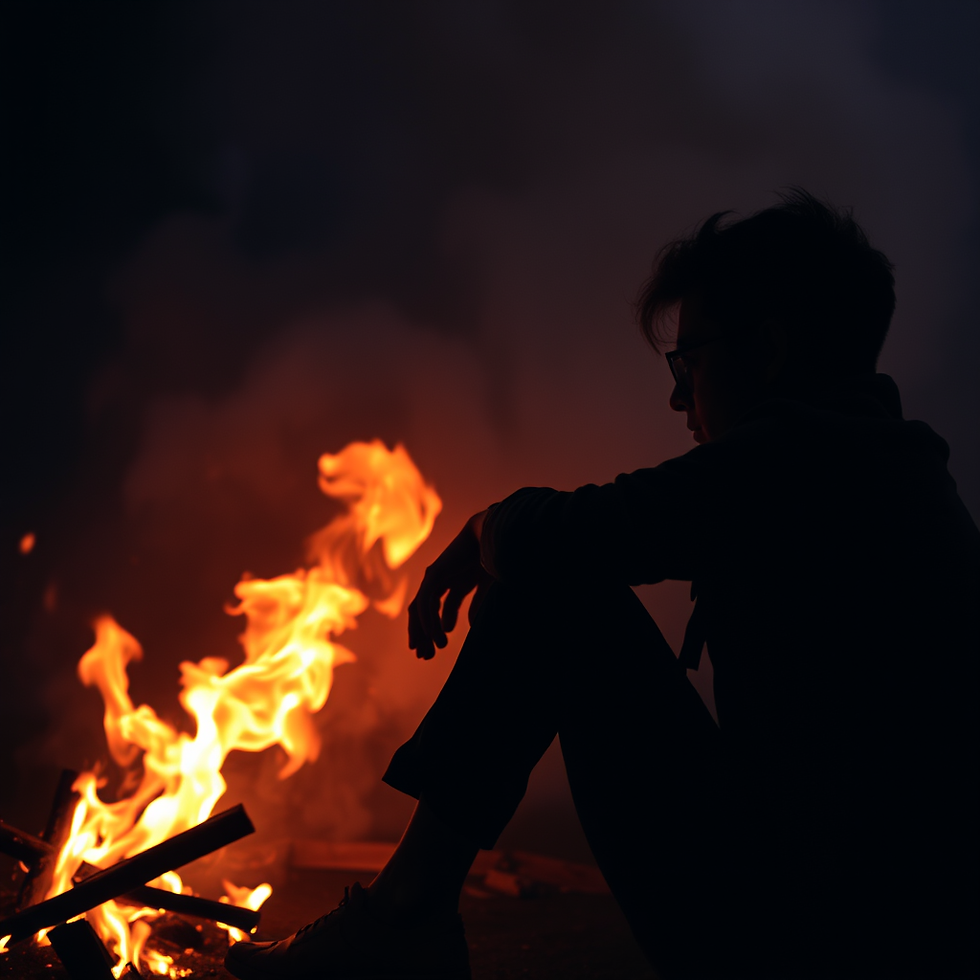
When the Pager Never Stops: Volunteer Firefighter Burnout (And How to Fight It) By We Like Firefighting

There’s a moment most volunteer firefighters recognize—but rarely talk about.
The tones drop.
And instead of that automatic adrenaline rush… you hesitate.
Even if it’s just for a second.
That hesitation isn’t weakness.
It’s burnout.
The Reality of Volunteer Firefighting Today
Volunteer fire departments are carrying more weight than ever.
Fewer active members
More EMS calls than ever before
Tight budgets and aging equipment
Higher expectations from the public
In most departments, a small group handles the majority of calls.
You know exactly who they are.
And chances are—you’re one of them.
What Burnout Actually Is
Burnout isn’t just being tired after a long week.
It’s deeper than that.
It’s a combination of:
Emotional exhaustion – You’re drained before the call even starts
Mental detachment – You don’t feel connected like you used to
Loss of purpose – Something you once loved now feels like an obligation
It builds slowly… until one day, things feel different.
What Burnout Looks Like on the Fireground
It doesn’t always look dramatic.
Most of the time, it looks like this:
Missing calls you used to make every time
Getting irritated over small things
Avoiding the station
Losing interest in training
Feeling disconnected from your crew
Or the biggest one:
You still show up—but mentally, you’re not all there.
That’s where it becomes dangerous.
Why Volunteer Firefighters Burn Out Faster
There Is No Off Shift
You don’t clock out.
The pager is always on.
The responsibility never shuts off.
Even when you’re home—you’re still listening.
“If I Don’t Go, Who Will?”
This mindset builds strong firefighters…
But it also creates burnout.
You go to every call because you feel like you have to.
Until it starts costing you.
Life Doesn’t Slow Down
You’re balancing:
Work
Family
Finances
Stress
The fire department doesn’t replace those—it adds to them.
The Calls Stay With You
Not every call leaves when you clear the scene.
Bad wrecks
Pediatric calls
People you know
Calls that don’t end well
You may not talk about them…
But your brain keeps track.
Limited Resources, Unlimited Expectations
You’re expected to perform at a high level—every time.
Even when:
Staffing is short
Equipment is limited
Resources are stretched thin
That pressure builds over time.
The Firehouse Culture Problem
The fire service is built on toughness.
But burnout doesn’t respond to toughness.
It responds to awareness.
The mindset of:
“I’ll just push through it”
…only works until it doesn’t.
And when it breaks, it shows up as:
Mistakes on scene
Poor decisions
Strained relationships
Members walking away completely
How Burnout Impacts Your Department
Burnout spreads.
When your core firefighters start to burn out:
Response reliability drops
Morale declines
Training suffers
Tension increases
And suddenly, fewer people are doing more work…
Which makes the problem worse.
What Actually Helps
1. Set Boundaries
You don’t have to make every call.
Missing a call doesn’t make you a bad firefighter.
Burning out does.
2. Build Depth (Not Dependency)
If you’re in leadership:
Stop relying on the same people for everything.
Develop your newer members.
Share responsibility.
Spread the workload.
3. Talk About It
It doesn’t have to be formal.
But it needs to be normal.
“That call bothered me.”
That sentence alone can change a culture.
4. Protect Your Home Life
Your family didn’t volunteer—you did.
If the fire department constantly takes from your home life…
It will cost you more than you realize.
5. Take a Break Before You’re Forced To
Stepping back isn’t quitting.
It’s maintenance.
A short break can prevent a permanent exit.
For Chiefs and Officers: This Is Leadership
Burnout isn’t just a personal issue—it’s a leadership issue.
If your department depends on the same few people every time…
You’re building burnout into your system.
Strong leadership means:
Watching your people
Managing workload
Creating sustainability
Because when your core burns out…
Your department suffers.
The Truth Nobody Says Out Loud
The fire service will take everything you’re willing to give.
And then it will take more.
If you don’t set limits—
Nothing else will.
Final Thoughts
You can’t serve your community if you’re running on empty.
Being a great firefighter isn’t about making every call.
It’s about:
Staying sharp
Staying safe
Staying in the fight long-term
Burnout doesn’t mean you don’t care.
Most of the time…
It means you’ve been carrying too much for too long.
Comments